All Articles
Why We Cook With Zero Seed Oils at The Dog House Canggu
The Dog House Team23 February 2026
seed-oilshealthcangguclean-eatingconscious-cooking
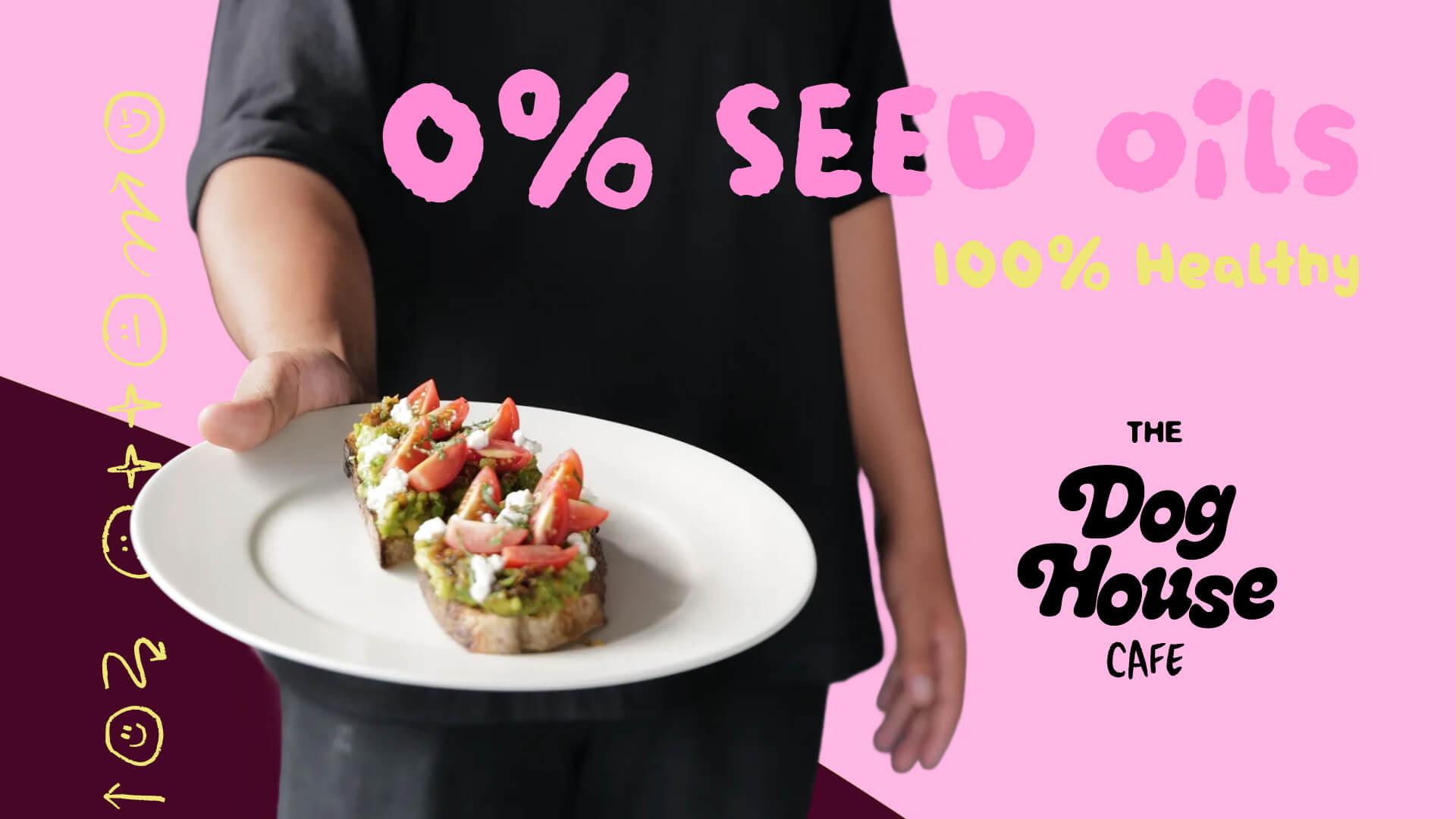
At The Dog House Canggu, we made a decision early on: no seed oils. Not in our kitchen, not in our sauces, not hidden in our dressings. Every dish that leaves our pass is cooked with coconut oil, olive oil, or butter. Full stop.
This is not a trend for us. It is a standard.
What Are Seed Oils and Why Do They Matter?
Seed oils, including soybean, canola, sunflower, safflower, corn, grapeseed, and rice bran oil, are among the most consumed cooking fats on the planet. They are cheap to produce and have a neutral flavour, which is exactly why commercial kitchens love them.
The problem is how they are made. Most seed oils go through heavy industrial processing: chemical extraction with hexane, high-heat deodorising, and bleaching. The result is a fat that is high in omega-6 fatty acids and prone to oxidation, especially when reheated, which is exactly what happens in a busy restaurant kitchen.
A growing body of research links excessive omega-6 consumption to chronic inflammation, which is associated with heart disease, metabolic dysfunction, and other long-term health issues. The modern Western diet already delivers omega-6 to omega-3 ratios far beyond what is considered healthy.
When you eat out in Bali, or anywhere, seed oils are almost impossible to avoid. They are in the wok, the fryer, the salad dressing, and the pastry. Most cafes do not disclose what they cook with, and most diners never think to ask.
We think that should change.
What We Use Instead
Our kitchen runs on three fats:
Coconut oil. Stable at high heat, abundant in Bali, and packed with medium-chain triglycerides. We use virgin, cold-pressed coconut oil for most of our cooking.
Extra-virgin olive oil. Rich in polyphenols and monounsaturated fats. We use it for dressings, finishing, and lower-heat cooking.
Butter. From grass-fed sources where possible. Used in select dishes where its flavour is irreplaceable.
These fats have been staples in traditional diets for centuries. They are minimally processed, heat-stable, and nutrient-dense. They also taste better.
What This Means for Your Meal
When you sit down at The Dog House, you do not need to ask what oil we use. The answer is always the same: no seed oils, ever.
Your scrambled eggs are cooked in coconut oil. Your salad dressing is made with olive oil. Your granola bowl is prepared without a single drop of canola. Even our sauces and marinades are built from scratch so we control every ingredient.
This matters because most people who try to avoid seed oils at home lose that control the moment they eat out. We wanted to build a place where that does not happen.
More Than a Menu Choice
Going seed-oil-free is not simple for a cafe. Coconut oil and olive oil cost significantly more than the industrial alternatives. Recipes need to be developed differently. Supply chains need to be managed more carefully.
We do it because we believe a cafe should nourish the people who walk through its door. If we would not cook with it at home, we will not cook with it for you.
This philosophy extends to the rest of our menu. We focus on whole, real ingredients: local produce, house-made components, and transparent sourcing. No artificial preservatives, no refined sugars.
The Bigger Picture in Canggu
Canggu has become one of the most health-conscious food destinations in Southeast Asia. Visitors and residents come here specifically seeking cleaner eating options. But "healthy-looking" menus can be misleading when the kitchen still relies on cheap seed oils behind the scenes.
We want to raise the bar. By being upfront about what we cook with, we hope to encourage more transparency across the local food scene. The more cafes that move away from seed oils, the better it is for everyone.
Come Taste the Difference
If you are in Canggu and care about what goes into your food, come visit us at Jl. Tanah Barak No.17A. Bring your dog, grab a table, and eat something that is genuinely good for you, inside and out.
About This Article
Author
The Dog House Team
Published
23 February 2026
Topics
seed-oilshealthcangguclean-eatingconscious-cooking
Frequently Asked Questions
We cook exclusively with coconut oil, extra-virgin olive oil, and grass-fed butter. No seed oils are used anywhere in our kitchen.
Seed oils undergo heavy industrial processing and are high in omega-6 fatty acids, which in excess are linked to chronic inflammation, heart disease, and metabolic dysfunction.
The most common seed oils are soybean, canola (rapeseed), sunflower, safflower, corn, grapeseed, and rice bran oil.
Yes. Coconut oil has a high smoke point and is very stable at cooking temperatures, making it one of the safest options for frying and sautéing.
Yes. Every dish, dressing, sauce, and marinade is prepared without seed oils. This applies to our entire menu with no exceptions.
Seed oils are significantly cheaper than alternatives like coconut oil or olive oil, and they have a neutral flavour that does not alter dishes. Cost is the primary reason for their widespread use.
We are located at Jl. Tanah Barak No.17A, Canggu, Bali. We are open daily and welcome dogs.
No. Our kitchen focuses on whole, real ingredients with no artificial preservatives and no refined sugars.
Keep Reading
More from The Dog House
Free Range Meat and Eggs in Canggu: Why The Dog House Bali Delivers Ethical and Nutritious Meals
Finding truly free range meat and eggs in Canggu can feel like a challenge. The Dog House Bali stands out with its commitment to free range everything, meat, chicken, and eggs that taste better and support better health.
23 February 2026
Read article
The Dog House: A Cafe Built Around a Cause
The Dog House started with a question that most cafes never ask: what if every meal did something beyond feeding the person eating it? That question became a conscious cafe in Canggu where food, community, rescue, and brand all feed into each other.
8 April 2026
Read article
Dog Friendly Cafes in Bali: Where Your Visit Actually Helps
Bali has no shortage of cafes that allow dogs. But there is a difference between a cafe that tolerates dogs and a cafe that exists because of them. The Dog House was built around dogs, not as a theme or a gimmick, but as a mission.
8 April 2026
Read article
Come Experience It Yourself
The best way to understand The Dog House is to walk through the door. We're open every day, 8am to 6pm, and until 9:30pm on Fridays and Saturdays.